


What we are talking about:
The hardest part of my vocational call wasn’t the Church, it was the sheer volume of reading.
The fear of not being accepted or supported within the CofE due to my neurodiversity was unfounded.
You do not need to read every physical word to know God and pursue ordination.
My solutions: Audio Bibles, specific digital fonts, and upfront advocacy.
The Secret Shame: The Return of the Call
It’s true what they say: “Once God has you, he never lets go.”
I felt that call many years ago, and then, after a quiet period, it returned—not as a gentle nudge, but as a relentless kick up the backside. Every sermon, every Bible study, and every conversation seemed to be pointing me back toward discernment.
Yet, for a solid three months, I sat on that feeling.
I felt a powerful spiritual conviction, yet a profound sense of shame immediately overshadowed it. My fear was simple: The way my brain works wouldn’t make me a suitable candidate.
My biggest worries were the mechanical requirements of the priesthood:
My reading speed and processing time are too slow.
My writing (or my inability to write clearly at times) would be an issue.
I was terrified of not being accepted, of not being good enough, or of facing a potential lack of support within the Church of England. In short, I worried that my dyslexia and ADHD would disqualify a call I knew was real.
Building Blocks: From Shame to Strategy
Affirmation was the first step. Thankfully, my wife affirmed my call, and this gave me the courage to speak to my minister.
I explained the call, but crucially, I explained my neurodiversity in more detail than he had known before, focusing on my specific worries. We agreed on a plan to build my confidence:
Start with Leading: I began by leading services, which is something I feel vaguely confident in, standing at the front.
Move to Talks and Sermons: This allowed me to build confidence in how I study the Bible and the quality of the work I put into sermons and small groups.
After a year of this process, I felt ready to speak directly with the DDO. That conversation was refreshing because I focused not just on my desire to serve, but on my needs of support. None of my deep-seated fears about rejection or lack of support turned out to be founded.
The Real Battlefield: Text Ghosting and Times New Roman
But the spiritual and psychological barriers are only half the fight. The biggest continuous struggle remains reading.
My dyslexia knows very few bounds when it comes to messing with me. I experience:
Text Ghosting: Words blur or ghost over other words, making lines impossible to follow.
Font Sensitivity: Text that is too small, or in the wrong font (like the ubiquitous Times New Roman), gives me an immediate headache.
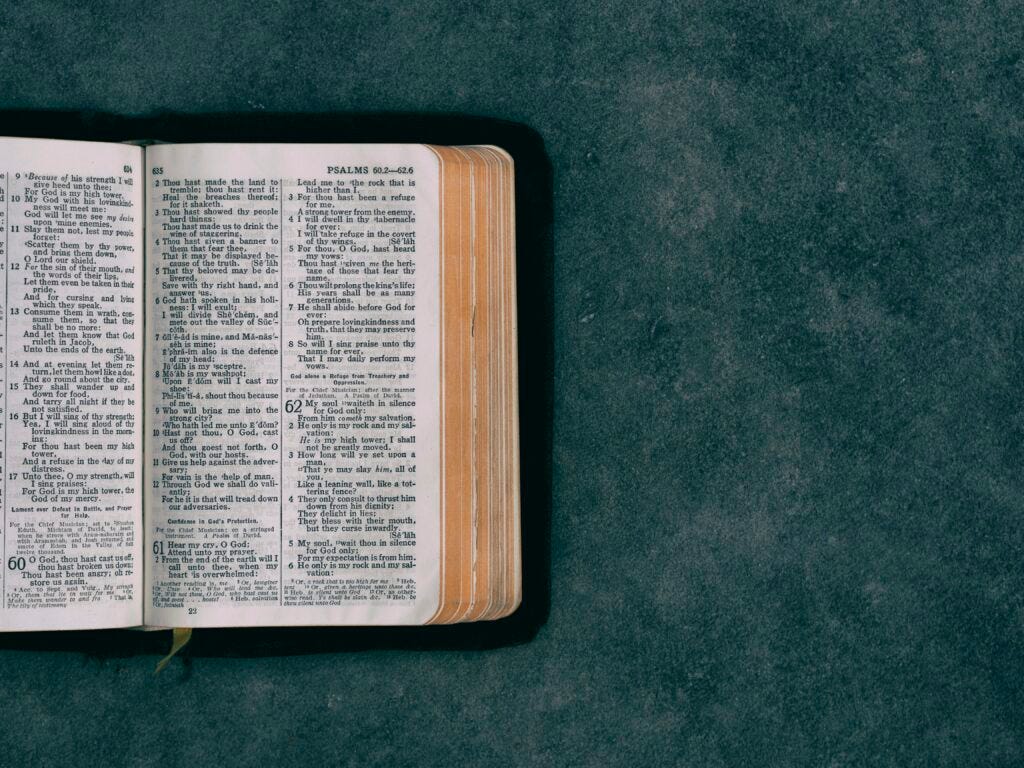
Every theological book seems to default to tiny print and fonts designed for efficiency, not accessibility. This frustration reaches a peak when faced with older, essential texts that don’t even have an eBook version.
What are we supposed to do when we physically can’t read a foundational book required for study? This is still a question I carry, but I have found a place to start.
My Breakthrough Strategies: Audio First, Print Second
My biggest win has been finding ways to bypass the physical text when necessary. You can still engage deeply with the material required for discernment and training.
1. Audio and Digital First
I have found that accessing the Bible through digital means helps me get grounded in other text, not just scripture.
Online Bibles: The ability to instantly adjust the font size, line spacing, and even the background colour (to a cream or light pastel) removes immediate sensory overload. Read about the online bible options here.
Audio Bibles: These are essential. Listening to the text removes the decoding barrier. This allows my brain to process the meaning and narrative without the intense focus required for reading. This is a vital
dyslexia bible study tip.
2. The Print Compromise
I have managed to find a slightly larger print version of the Bible that serves as a useful touchstone. Don’t get me wrong, it’s still not easy, but the difference in physical size makes a small difference in the cognitive load.
Your Call Is Valid, Regardless of Reading Speed
If you are reading this and feeling the same crushing pressure, please know this: Your call is valid, regardless of how quickly you process a page of text.
The discernment process tests your character, your wisdom, your love for God, and your capacity to serve—not your ability to pass an eye test. My inability to process the Bible in the traditional way has simply forced me to become creative, relying on listening, contemplation, and dialogue. It has deepened my understanding of God in unexpected ways.
If this confession resonates with you, it’s time to take the next step.